Best Mutual Fund Investments for Investors in 2026
Mutual funds remain one of the smartest investment options for individuals looking to build wealth in 2026. Whether you’re a first-time investor or an experienced market participant, mutual funds provide a simple and diversified way to invest in stocks, bonds, and other financial assets. With professional fund management, flexible investment options, and the convenience of Systematic Investment Plans (SIPs), mutual funds can help you achieve both short-term and long-term financial goals.
As India’s economy continues to grow, investors are increasingly looking for investment opportunities that offer the potential for attractive returns while managing risk. Instead of trying to pick individual stocks, mutual funds allow you to invest in a professionally managed portfolio that spreads your money across multiple companies and sectors.
In this guide, you’ll learn about the best types of mutual funds to consider in 2026, their benefits, risks, and how to choose the right fund based on your financial goals.
Why Invest in Mutual Funds in 2026?
Mutual funds have become popular because they make investing accessible to everyone. You don’t need extensive market knowledge or a large investment amount to get started.
Some of the biggest advantages include:
- Professional fund management
- Diversification across multiple securities
- Affordable SIP investments starting from ₹500
- Potential for long-term wealth creation
- High liquidity in most open-ended funds
- Tax-saving opportunities through ELSS funds
- Easy online investment and portfolio tracking
These features make mutual funds suitable for salaried employees, business owners, students, and retirees alike.
Types of Mutual Funds to Consider in 2026
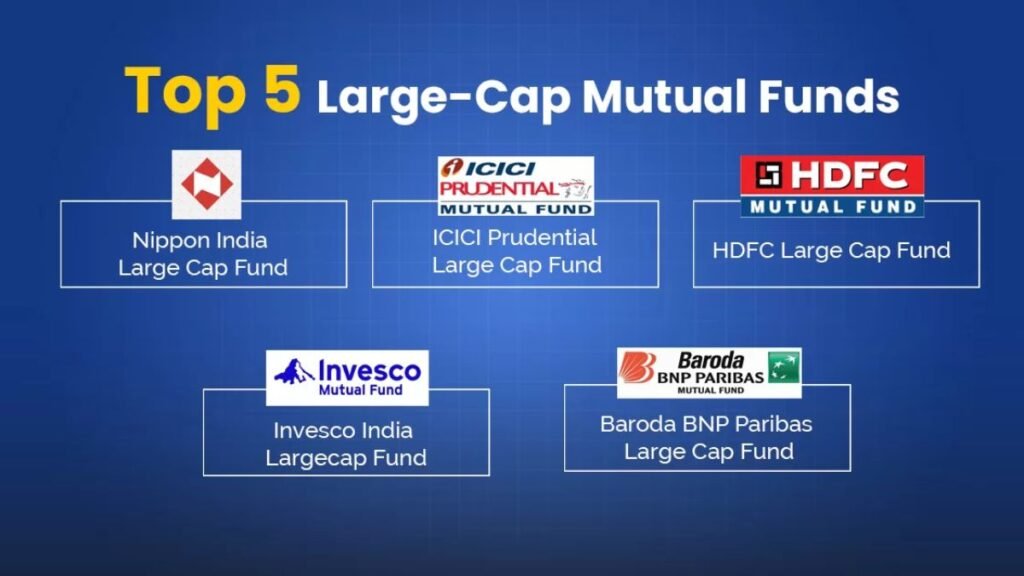
1. Large-Cap Mutual Funds
Large-cap funds invest in well-established companies with strong financial performance and stable earnings. These companies usually have large market capitalizations and are leaders in their respective industries.
Best For
- Beginners
- Conservative investors
- Long-term wealth creation
Benefits
- Lower volatility than mid and small-cap funds
- Stable long-term returns
- Strong corporate governance
- Suitable for SIP investments
2. Flexi Cap Mutual Funds
Flexi Cap funds invest across large-cap, mid-cap, and small-cap stocks. Fund managers have the flexibility to adjust allocations depending on market conditions.
Best For
- Investors seeking balanced growth
- Long-term investors
- Moderate risk tolerance
Advantages
- Better diversification
- Flexibility during changing market cycles
- Strong long-term growth potential
3. Mid-Cap Mutual Funds
Mid-cap companies often have significant growth potential because they are in the expansion phase of their business lifecycle.
Suitable For
- Investors with a 7–10 year investment horizon
- Moderate to aggressive investors
Pros
- Higher growth opportunities
- Potential to outperform large-cap funds during bullish markets
Cons
- Higher market volatility
- Requires patience during market corrections
4. Small-Cap Mutual Funds
Small-cap funds invest in emerging companies that may become tomorrow’s industry leaders. These funds generally carry higher risk but can deliver excellent long-term returns.
Best For
- Young investors
- Aggressive investors
- Long-term wealth creation
Advantages
- High return potential
- Exposure to fast-growing businesses
Risks
- Significant short-term price fluctuations
- Higher investment risk
5. Index Funds
Index funds track benchmark indices such as the Nifty 50 or Sensex. Since they follow a passive investment strategy, expense ratios are generally lower.
Benefits
- Low investment cost
- Simple investment approach
- Transparent portfolio
- Consistent market-linked returns
These funds are ideal for investors who prefer passive investing.
6. Hybrid Mutual Funds
Hybrid funds combine equity and debt investments to balance growth and stability.
Suitable For
- Conservative investors
- First-time investors
- Investors nearing financial goals
Advantages
7. ELSS (Equity Linked Savings Scheme)
ELSS funds are tax-saving mutual funds that qualify for deductions under Section 80C of the Income Tax Act. They come with a mandatory three-year lock-in period.
Benefits
- Tax savings
- Equity market exposure
- Long-term wealth creation
Comparison of Mutual Fund Categories
| Fund Category | Risk Level | Investment Horizon | Suitable For |
|---|---|---|---|
| Large Cap | Low to Moderate | 5+ Years | Beginners |
| Flexi Cap | Moderate | 5–10 Years | Long-Term Investors |
| Mid Cap | Moderate to High | 7+ Years | Growth Investors |
| Small Cap | High | 10+ Years | Aggressive Investors |
| Index Fund | Moderate | 5+ Years | Passive Investors |
| Hybrid Fund | Low to Moderate | 3–5 Years | Conservative Investors |
| ELSS | Moderate to High | 3+ Years | Tax Savers |
How to Choose the Best Mutual Fund in 2026
Choosing the right mutual fund involves more than looking at recent returns. Consider the following factors before investing:
1. Define Your Financial Goals
Ask yourself why you’re investing. Common goals include:
- Retirement planning
- Children’s education
- Buying a home
- Emergency fund
- Wealth creation
- Tax savings
Your investment objective will determine the type of mutual fund that suits you best.
2. Understand Your Risk Appetite
Every investor has a different risk tolerance. If market fluctuations make you uncomfortable, consider large-cap or hybrid funds. If you’re comfortable with higher risk for potentially higher returns, mid-cap and small-cap funds may be suitable.
3. Evaluate Historical Performance
Review the fund’s performance over 5 to 10 years rather than focusing only on recent returns. Consistency across different market conditions is often a better indicator than short-term gains.
4. Compare Expense Ratios
The expense ratio is the annual fee charged by the fund house. Lower expense ratios can improve your net returns over the long term, especially for passive funds like index funds.
5. Check Fund Manager Experience
Experienced fund managers with a disciplined investment strategy often contribute to consistent long-term performance.
SIP vs Lump Sum Investment
| SIP | Lump Sum |
|---|---|
| Invest monthly | Invest once |
| Suitable for salaried investors | Suitable for investors with surplus cash |
| Reduces market timing risk | Better when markets are attractive |
| Encourages disciplined investing | Requires careful planning |
For most retail investors, SIPs are considered a convenient and disciplined way to build wealth over time.
Common Mistakes to Avoid
Many investors make avoidable mistakes that can affect long-term returns.
Avoid these common errors:
- Investing based only on recent high returns
- Chasing trending funds
- Ignoring your financial goals
- Frequently switching between funds
- Stopping SIPs during market downturns
- Investing without diversification
- Not reviewing your portfolio annually
Tips for Successful Mutual Fund Investing
To maximize your investment potential:
- Invest regularly through SIPs.
- Stay invested for at least five to ten years.
- Diversify across different fund categories.
- Increase your SIP amount as your income grows.
- Review your portfolio once a year.
- Avoid making emotional investment decisions during market volatility.
Patience and discipline are often the key ingredients for successful long-term investing.
Frequently Asked Questions (FAQs)
Which mutual fund is best for beginners in 2026?
Large-cap, index, and hybrid mutual funds are generally considered suitable for beginners because they offer diversified exposure and relatively lower volatility.
Are SIPs better than lump sum investments?
SIPs help reduce market timing risk by investing a fixed amount regularly. Lump sum investments may be suitable if you have a significant amount of money and a long-term investment horizon.
Can I lose money in mutual funds?
Yes. Mutual fund returns are market-linked, and there is no guarantee of profits. However, staying invested for the long term can help manage short-term market fluctuations.
How much should I invest in mutual funds?
The amount depends on your financial goals, income, expenses, and risk tolerance. Many investors start with SIPs of ₹500 or ₹1,000 per month and gradually increase their investments.
Are mutual funds safe?
While mutual funds are subject to market risks, they are regulated by the Securities and Exchange Board of India (SEBI), providing transparency and investor protection.
Conclusion
Mutual funds continue to be one of the most effective investment options for building long-term wealth in 2026. Rather than searching for a single “best” fund, focus on selecting the right category that aligns with your financial goals, investment horizon, and risk appetite. Whether you prefer the stability of large-cap funds, the growth potential of mid-cap and small-cap funds, or the simplicity of index funds, a diversified portfolio combined with disciplined SIP investing can help you achieve your financial objectives over time. Always review your investments periodically and consult a qualified financial advisor if you need personalized guidance before making investment decisions.